
The IRCC Portal Login (Immigration, Refugees and Citizenship Canada) is your digital gateway to Canadian immigration services. You can apply from anywhere in the world, skipping paper forms and postal delays entirely. This secure online system lets you submit applications, track status, and talk with immigration officials. It’s all in one place—no mailing, no waiting for envelopes.
If you’re new, you’ll need an invite code to set up your account. Once you’re IRCC Portal Login, you can apply for permanent residence, visitor visas, or other programs, depending on what you’re after. The portal gives you info about requirements, fees, medical exams, and police checks. It puts everything you need right at your fingertips.
The (Immigration, Refugees and Citizenship Canada) IRCC Portal keeps your documents and communications organized. You can check your status anytime and get updates straight through the system. Two more portals are connected with IRCC main portal one is IRCC Employer Portal and other one is IRCC Representative Portal.
What Is the IRCC Portal?
Immigration, Refugees and Citizenship Canada created the IRCC Portal to make immigration applications easier. It offers secure access for people who want to visit, study, work, or move to Canada.
Overview of Immigration, Refugees and Citizenship Canada
Immigration, Refugees and Citizenship Canada (IRCC) is the department that runs the show for immigration. They process visa applications, permanent residency requests, and citizenship applications for people wanting to come to Canada.
The department handles millions of applications every year. IRCC sets up policies and programs that help newcomers settle here.
They support Canada’s economic, social, and cultural growth. IRCC also works to reunite families and protect refugees and people in need.
Purpose and Benefits of the IRCC Portal
The IRCC Portal gives you a digital spot to submit applications, pay fees, and track your progress. No more paper—just a faster, more efficient process.
You can check your status anytime, day or night. The portal sends notifications if anything changes on your file.
It guides you through each step, reducing errors. Upload features help make sure you don’t miss anything important.
For visitor visas, the portal makes things easier for tourists. Processing times have dropped for a lot of applications since this went digital.
Differences Between IRCC Portal and GCKey
The IRCC Portal and GCKey aren’t the same thing. The IRCC Portal is where you actually handle your immigration applications, like visitor visas.
GCKey is just an authentication tool. It’s the “key” you use to log in to various government services, including the IRCC Portal.
You’ll need a GCKey (or Sign-in Partner) account to get into the IRCC Portal. GCKey works for lots of services, but the IRCC Portal is only for immigration stuff.
GCKey focuses on secure logins, while the IRCC Portal adds privacy protections for your immigration info. They work together, but do different jobs.
Eligibility for Using the IRCC Portal
The IRCC Portal is the main online route for many Canadian immigration applications. Knowing who can use it and how it works will save you some headaches.
Who Can Create an Account
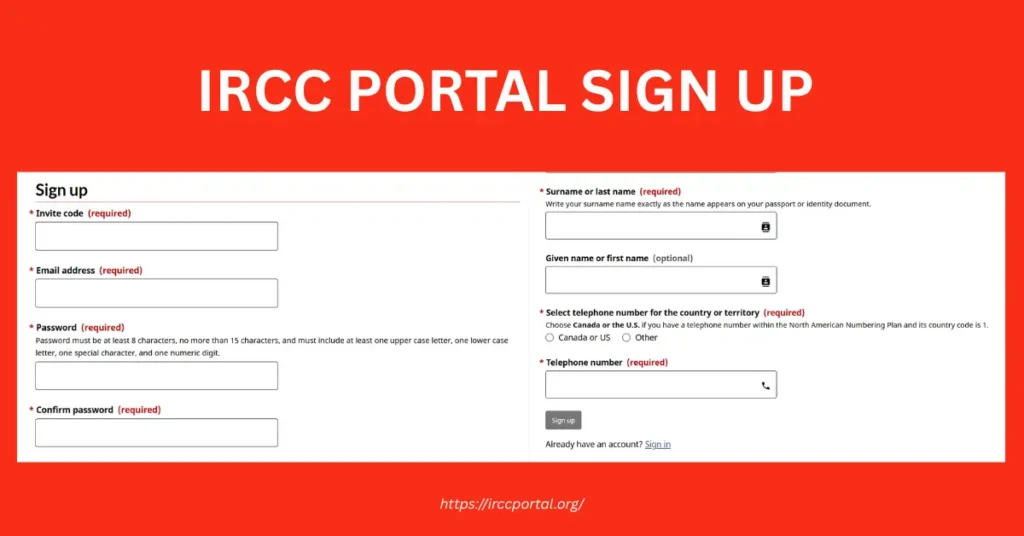
To make an account, you’ll need an invitation code from IRCC. This code matches your application type and your personal info.
Not everyone can use the portal. It’s mostly for certain visitors, workers, and other temporary residents.
Your passport info has to match what’s in your application. The portal checks your eligibility based on your nationality and why you want to come to Canada.
If you’re a foreign worker with a Canadian job offer, you might get a special code for work permit applications. That’s pretty handy.
IRCC Portal Login and Application Submission Process
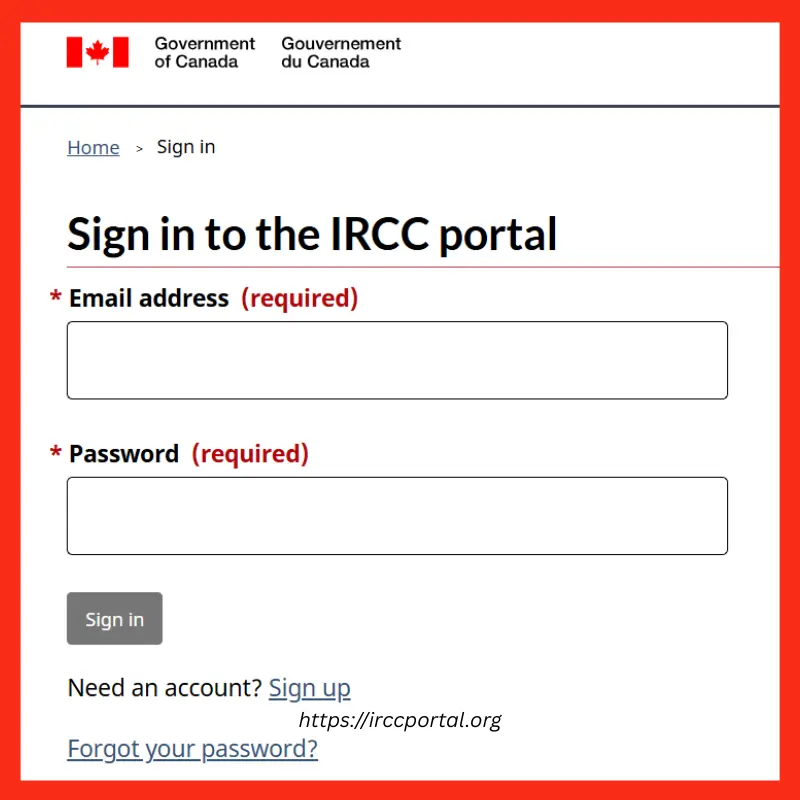
Start by creating an account using your invitation code. You’ll verify your identity and set up login details. Once you’re set up, you can sign in anytime and see your application dashboard. The portal saves your progress, so you don’t have to finish everything in one go.
To submit, upload your documents and pay any fees. The portal takes common file formats, so you shouldn’t have too much trouble there.
You’ll get real-time updates on your applications. You can check processing times and respond if they ask for more info. For work permits, sometimes employers need to confirm things through the portal or a different system. It varies.
Supported Application Types
The IRCC Portal supports several temporary residence applications. You can apply for visitor visas for tourism, family visits, or business trips if you’re eligible.
Work permits for foreign workers also go through the portal. This covers employer-specific and open work permits for those who qualify.
Some study permit extensions and certain permanent residence pathways are available too, but only for specific applicants.
Not every program is online yet. Some still need paper submissions or use ArriveCAN. Always check if your application type works with the portal before you start.
Creating and Managing Your IRCC Portal Account
Setting up your IRCC portal account takes a few steps, but it gives you secure access to Canada’s immigration services. You can manage your applications and talk with officials all in one place.
Account Registration Steps
Go to the official Canada.ca site and hit “Sign up” on the GCKey page. You’ll make a username and password for GCKey, which gets you into the IRCC system.
Next, enter your email address. The system sends a code to your inbox, so check it quickly because the code doesn’t last long.
Type in the code and click “Confirm.” After that, the portal walks you through setting up your profile with your personal info.
If you’ve applied before, you might be able to link your old applications to this new account. That keeps everything together.
Verifying Your Identity
After you’ve got your basic account, you’ll need to verify your identity to unlock all the portal’s services. This step keeps your info safe.
Usually, you’ll provide ID documents like your passport details or previous application numbers. Sometimes you need to upload scanned copies—make sure they’re clear and easy to read.
If you’re trying to recover an old account, you’ll need to match info from your previous records. That might include your application number or Unique Client Identifier (UCI).
Managing Account Security
Your IRCC portal holds sensitive info, so security is a must. Use a strong, unique password with a mix of letters, numbers, and symbols. The system logs you out after a while if you’re inactive. That’s a simple way to keep your data safe if you step away.
If you think someone’s accessed your account without permission, change your password right away and contact IRCC support. It’s smart to update your password regularly, even if nothing seems wrong.
When using public computers, always sign out completely. If two-factor authentication is available, turn it on for extra protection. Keep your contact info up to date. IRCC sends important emails about your account and applications, so you don’t want to miss those.
Submitting Applications Through the IRCC Portal
The IRCC Portal is where you submit immigration applications for Canada. Doing things right here can help you avoid delays.
Preparing Required Documents
Before you start, gather all the documents you’ll need. Usually, that means:
- Valid passport or travel document
- Digital photos that meet IRCC specs
- Proof of language skills (IELTS, CELPIP, etc.)
- Educational credentials and assessments
- Proof of funds
- Medical exam results (if needed)
Make sure documents are clear, complete, and in the right format. Scan paper docs to PDF—most mobile apps work fine for this. Keep each file under 4MB. Double-check that all info matches across your documents. Keep originals safe, since you might need them later.
It helps to make a checklist, so you don’t forget anything. Some programs have unique requirements, so always check what’s needed for your specific application.
Filling Application Forms Online
Once you’re signed in, you’ll see digital forms for your chosen program. Pick the right one for your application. Fill out each section carefully. The system marks required fields and sometimes gives tips as you go.
Sometimes questions feel repetitive, but answer them all. Inconsistent info can slow things down or even get you rejected. Save your work often. The portal times out if you take too long, and you could lose what you’ve typed.
Before submitting, review everything. Mistakes in names, dates, or addresses can cause real headaches. The system often lets you validate your info to catch mistakes before you send it in.
Uploading PDFs and Other File Formats
The IRCC Portal takes several file types, but PDF is usually best. Here’s what to watch for:
- Max file size: 4MB per document
- Accepted formats: PDF, JPEG, PNG, TIFF, DOC/DOCX
- Keep file names simple—no weird symbols
To upload after you’ve submitted, log in, go to “View the applications you submitted,” and click “Check full application.” You’ll see the upload option there.
Make sure PDFs with text are searchable. Scans should be clear—300 DPI is a good rule of thumb. If your document has multiple pages, combine them into one PDF. It keeps things tidy and easier to follow.
Paying Fees Online
The portal lets you pay securely online. You can use:
- Credit cards (Visa, MasterCard, American Express)
- Debit cards with credit functions
- Pre-paid credit cards
Check the fee for your application type before paying. Fees change sometimes, so always look on the official IRCC site for the latest amount. The portal gives you a payment receipt automatically. Save it—you might need it if there’s ever a question about your payment.
If you run into payment trouble, your application usually stays on hold for a bit. Contact IRCC support quickly to get it sorted so your application doesn’t get canceled. Once your payment goes through, you’ll get a confirmation and your application moves to the next step.
Types of Applications Supported
The IRCC Portal covers several major immigration programs for people coming to Canada. It makes the process smoother and gives you updates on different visa types and pathways.
Permanent Residence Applications
You can submit and manage permanent residence applications online through the IRCC Portal. Programs like Express Entry, Provincial Nominee, and family sponsorship are all there.
The portal lets you upload documents and fill out forms securely. You’ll need to create an account and follow the steps provided.
There’s also a Representative Permanent Residence Portal for licensed reps who submit applications for clients. This keeps things organized for consultants and lawyers.
You can track your status in real time and get notified if they need more information. It’s pretty straightforward once you get the hang of it.
Work Permit Applications
Applying for a work permit through the IRCC Portal lets you legally work in Canada for a limited period. The portal covers different permit types, like employer-specific permits, open work permits, and post-graduation work permits.
You’ll need to share details about your job offer, your qualifications, and personal info. Upload supporting documents—things like job offers, LMIA letters, and school credentials—right in the portal.
You can check your application status and get notifications about each processing step. If you need to update your contact info, the portal lets you do that during the process.
Got questions? Use the IRCC Webform to ask about your work permit application. Just include your application type and when you submitted it.
Study Permit Applications
The IRCC Portal handles study permit applications for international students heading to Canadian schools. You’ll submit your application along with required documents like your acceptance letter, proof of funds, and your study plan.
The portal walks you through each step, making sure you provide what’s needed. Upload your documents and pay fees securely online.
After you submit, you can track your application status and get updates. If officials need more info, you’ll hear from them through the portal.
You can extend your study permit or move into other streams, like post-graduation work permits, right from the system. For specific questions, the IRCC Webform connects you directly with officials.
Temporary Authorization and Visitor Visas
Canada’s immigration system offers different ways for temporary entry. You’ve got visitor visas for short stays and work permits for those looking for jobs in Canada.
Temporary Work Permit
A temporary work permit lets you work in Canada for a specific employer for a set time. You’ll need a job offer from a Canadian employer, and sometimes they have to get a Labour Market Impact Assessment (LMIA).
Processing times depend on your country and application type. It might take just 2 weeks, or it could stretch to several months.
Apply through the IRCC Portal—it makes things simpler. You’ll usually need these documents:
- Valid passport
- Job offer letter
- LMIA (if needed)
- Proof of qualifications
- Biometrics
Work permit fees are separate from visitor visa fees. If you need to restore your status or extend your permit, expect extra fees.
Visitor Visa Applications
A visitor visa (Temporary Resident Visa – TRV) is required for many people to enter Canada for a visit. This lets you come for tourism, family, or business reasons.
You’ll fill out forms online through the IRCC Portal. The current fee is $100 per person.
Your application needs to include:
- Proof of financial support
- Your travel history
- Ties to your home country
- Reason for your visit
- Valid passport
Processing times vary by country. You might need to provide biometrics as part of your application. If your visitor status runs out, you can apply to restore it for $239.75, but that doesn’t cover a new visa fee.
IRCC Portal Application Process
The IRCC Portal gives you a streamlined way to apply for Canadian immigration documents online. You’ll fill out digital forms, upload documents, and track your application as it moves through review.
Step-by-Step Guide
Start by creating or logging into your IRCC secure account. This is your main hub for all applications. Pick the application type you need. The portal will give you a personalized checklist of documents.
Fill out the online form, answering everything accurately. Mistakes or missing info can slow things down or even get you rejected. After you finish the form, you’ll see a list of documents to upload—usually ID, proof of funds, and other supporting materials.
Upload your files in accepted formats. Make sure everything’s clear and readable. Before you hit submit, review your application. Pay the fees through the secure system to finish up.
Tracking Application Status
Once you submit, you can watch your application status in your IRCC account. The portal updates your progress in real time.
Processing times change depending on your application, where you’re from, and how busy things are. The portal usually gives you an estimated timeframe.
You’ll get notifications if there are updates or if officials need more info. Check your account often and reply quickly to any requests. If they ask for extra documents, upload them through the portal. It’s way faster than mailing things in.
You can also update your contact info if anything changes, so you don’t miss important messages.
Troubleshooting and Technical Support
Sometimes, the IRCC portal just doesn’t cooperate. If you hit a snag, here’s how to get help and keep things moving.
Common Technical Issues
Lots of folks run into similar tech problems. If you can’t link your application to your account, try clearing your browser cache or switching browsers.
GCKey login issues pop up a lot too. If you’re locked out, try resetting your password or waiting half an hour before trying again. If forms won’t load, check your internet connection and turn off any browser extensions that might mess things up.
Other common headaches:
- Payment not going through
- Documents won’t upload
- Error messages when you try to submit
- Session timing out while you’re filling forms
If nothing works, try another device or browser before asking for more help.
How to Use the IRCC Webform
The IRCC Webform is your go-to for tech support if all else fails. Head to the Webform page, pick “Technical Difficulty” as your enquiry type, and explain your issue.
Be specific. Include:
- The exact error message
- What you were doing when it happened
- Your device and browser
- Screenshots, if you have them
Give your email when you submit so staff can get back to you. That also gives IRCC permission to use your info to respond. If it’s urgent or you’re in Canada, you can call the Client Support Centre at 1-888-242-2100 instead.
Tips for a Successful Application
Sending in a solid application through the IRCC portal really boosts your odds. Here are some things I wish more people knew.
Ensuring Complete and Accurate Documentation
Double-check that you’ve got all the required documents before you submit. Missing or incomplete paperwork is the top reason applications get delayed or rejected.
Keep digital copies in PDF format, since the portal usually prefers that. Make sure your scans are clear and show everything needed.
Stick to the file size limits—usually under 4MB per document. If your documents aren’t in English or French, submit certified translations from a qualified translator.
Be honest on your forms. Lying can get your application rejected and might even get you banned from applying again.
Planning for Processing Times
Check current processing times on the IRCC website before you start. Times vary by application and can change throughout the year.
Apply well ahead of your travel or status expiration. For study permits, aim for at least 3-4 months before your program begins.
Use the portal’s tracking feature to keep an eye on your status. Some processing centers move quicker than others, depending on your country.
Don’t send in multiple applications for the same thing—it just causes confusion and slows everything down.
Educational Pathways and the IRCC Portal
The IRCC Portal opens up several ways for international students to study in Canada. Knowing your options makes the process a lot smoother.
Applying as an International Student
The IRCC Portal is where you start if you want to study in Canada. Create your secure account, fill out the forms, and submit your study permit application. You can track everything in real time.
Before you apply, you’ll need an acceptance letter from a designated learning institution. You also have to show proof you can pay tuition and living expenses.
Most students can work up to 20 hours a week during classes and full-time during breaks, as long as they have a valid study permit. The portal shares info about post-graduation work permits too, so you can plan for work experience after your studies.
Understanding Education Requirements
Every Canadian program has its own requirements. The portal helps you figure out what you need before you start applying.
You might have to show educational credentials, language test results in English or French, and sometimes extra documents depending on your home country.
Medical exams and police checks are often part of the process. The portal guides you on how to get these done and upload the results.
Some immigration routes focus on certain fields or education levels. Use IRCC’s program explorer to see which programs fit your background.
Keep an eye on processing times—they update this info regularly so you can plan your studies better.
Foreign Workers and the IRCC Portal
The IRCC Portal is a must for foreign workers looking for jobs in Canada. It makes applying smoother and helps with both temporary work and the path to permanent residency.
Applying for Work Permits
The portal is your one-stop shop for Canadian work permits. Create an account and submit your application online.
You’ll usually need:
- Valid passport
- Job offer from a Canadian employer
- Proof of education and work experience
- Proof of financial support
If you’re applying through the International Mobility Program (IMP), your Canadian employer must submit an offer of employment through the Employer Portal first. That step comes before your work permit application.
The portal lets you track your status and respond quickly if immigration officers ask for more info.
Transitioning to Permanent Residence
Many foreign workers use their Canadian job experience to move toward permanent residence. The portal gives you tools and info for this transition.
Programs you might qualify for include:
- Canadian Experience Class
- Provincial Nominee Programs
- Express Entry system
Your Canadian work experience often counts toward eligibility for permanent residence. Through the portal, you can check which immigration programs you might qualify for based on your work, skills, and education.
Upload and update documents as your status changes. The portal sends notifications about updates and deadlines for extra info.
Keep your profile up to date with job or personal changes while you work toward permanent residence.
Frequently Asked Questions
The IRCC portal comes with a bunch of common questions people run into. These cover everything from setting up your account to tracking your application.